
Survivors & Groups Calls for Bridging Gap Between Survivors' Experience and Legal System
The following is issued on behalf of the Hong Kong Women's Coalition on Equal Opportunities
Forum on Sexual Offence Law Reform Calls for Bridging the Gap Between Survivors' Experience and Legal System
Survivors testify to a system that ignores trauma and permits "absurd" legal defences regarding the "mistaken belief" of consent.
The Hong Kong Women's Coalition on Equal Opportunities (WCEO) and the Equality Rights Project of the University of Hong Kong's Faculty of Law today co-hosted the "Sexual Offence Law Reform Forum: A Dialogue Between Survivors, Communities, and the Law". The event was attended by over a hundred participants, including victim-survivors, advocacy groups, and members of the public concerned with the issue.
Hong Kong's sexual offence laws remain rooted in the framework of the England and Wales Sexual Offences Act 1956. Having seen little change since the 1970s, these laws lag significantly behind public expectations for the protection of victim-survivors. Figures from the sexual violence crisis centre RainLily reveal that out of 807 cases reported to the police between 2019 and 2023, only 51 resulted in a conviction after the initial trial. This lack of efficacy within the criminal justice system in addressing sexual violence has severely undermined survivors' confidence in seeking help.
The authorities previously pledged to conduct a public consultation on sexual offence reform by 2026, aiming to complete the legislative process within the current government's term. The forum explored reform directions that effectively address the realities faced by survivors, drawing from legal perspectives, observations from frontline advocates, and the lived experiences of survivors.
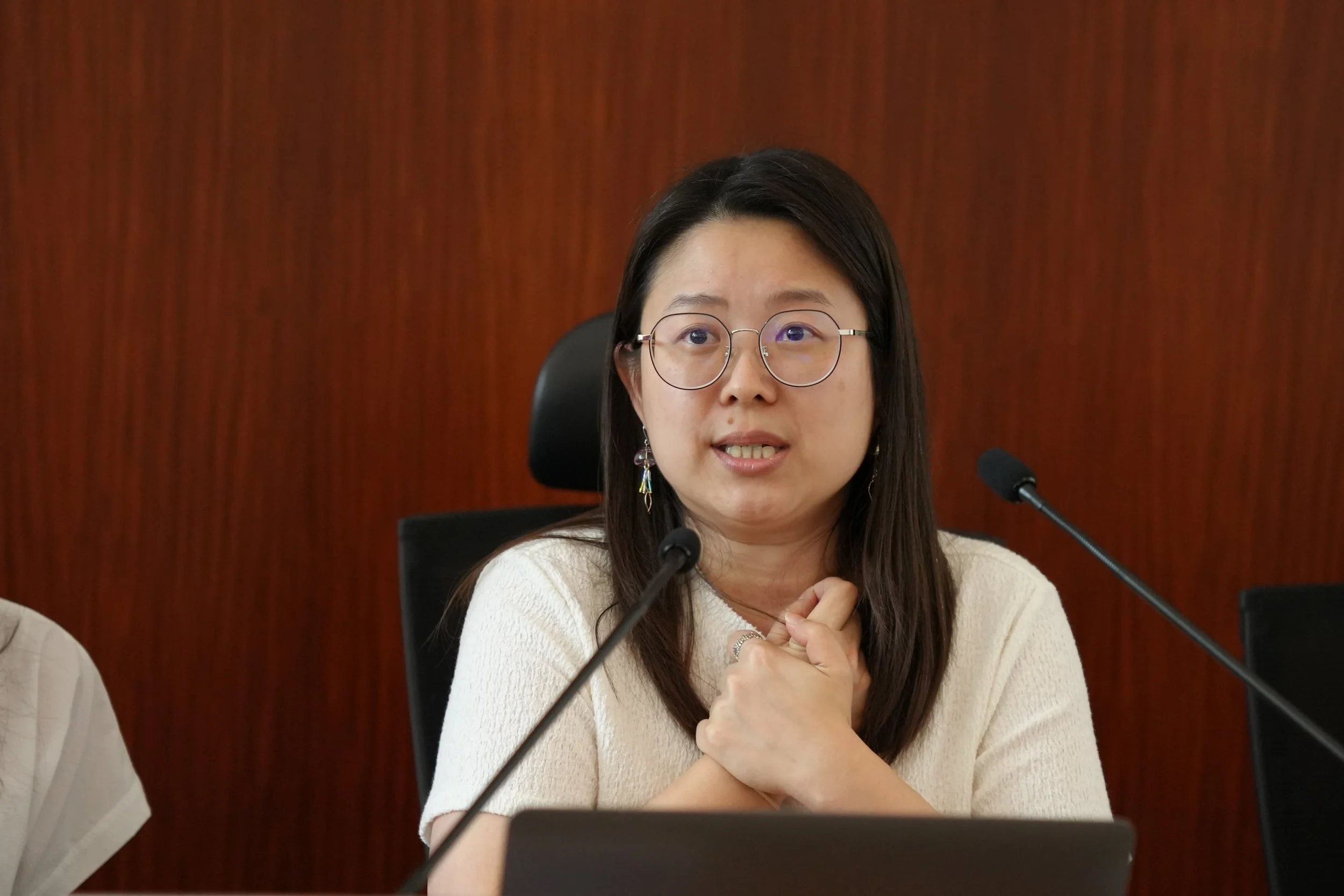
Cheryl Cheuk-Yi YIP, Advocacy Officer of the Association Concerning Sexual Violence Against Women, stated:
"Currently, our sexual offence laws lack a statutory definition of 'consent' and allow defendants to evade accountability by claiming a 'mistaken belief in consent' based on subjective or unreasonable grounds. The upcoming legislative amendments must go beyond simply implementing the Law Reform Commission's (HKLRC) recommendations; we must proactively work to eliminate these misconceptions from the criminal justice system.'
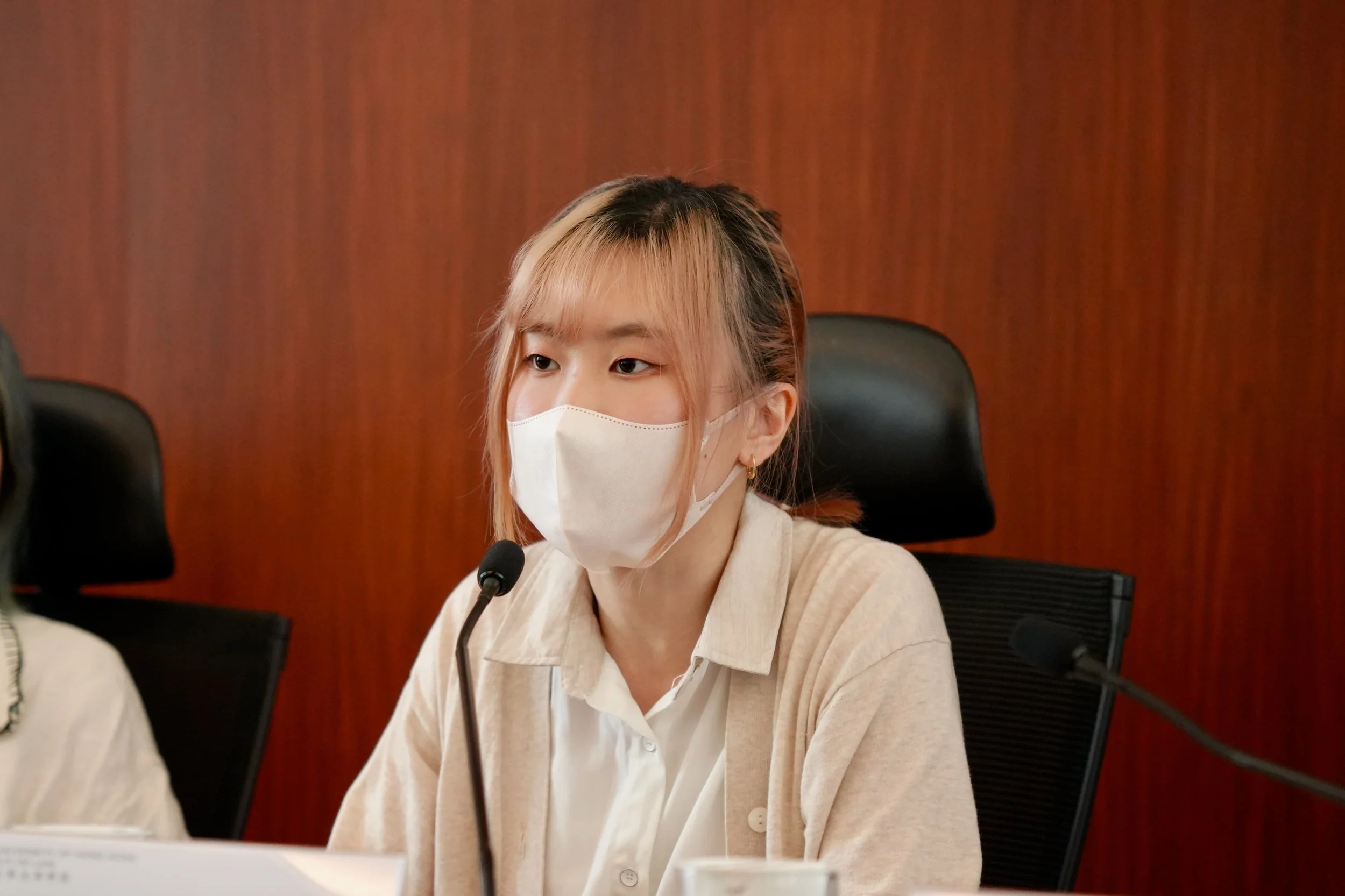
Jessie, representative of the Sexual Violence Survivors Advocacy Group, stated:
"Even though I said 'no' at the time [of the assault], I was repeatedly asked in court why I didn't hit, bite, or kick him, why I didn't scream for help, or why I couldn’t move. The trial focused on whether I had ‘resisted with all my might’ rather than whether the defendant had obtained my consent. If the law clearly defined consent and specified that 'a lack of resistance does not constitute consent', my freezing response would not have been twisted into a 'misunderstanding' in court. Reform would change the narrative: shifting the focus from scrutinising the survivor to questioning whether the defendant obtained consent. It would move the debate from whether the victim sent 'the wrong signals' to whether the defendant's belief in consent was actually reasonable."
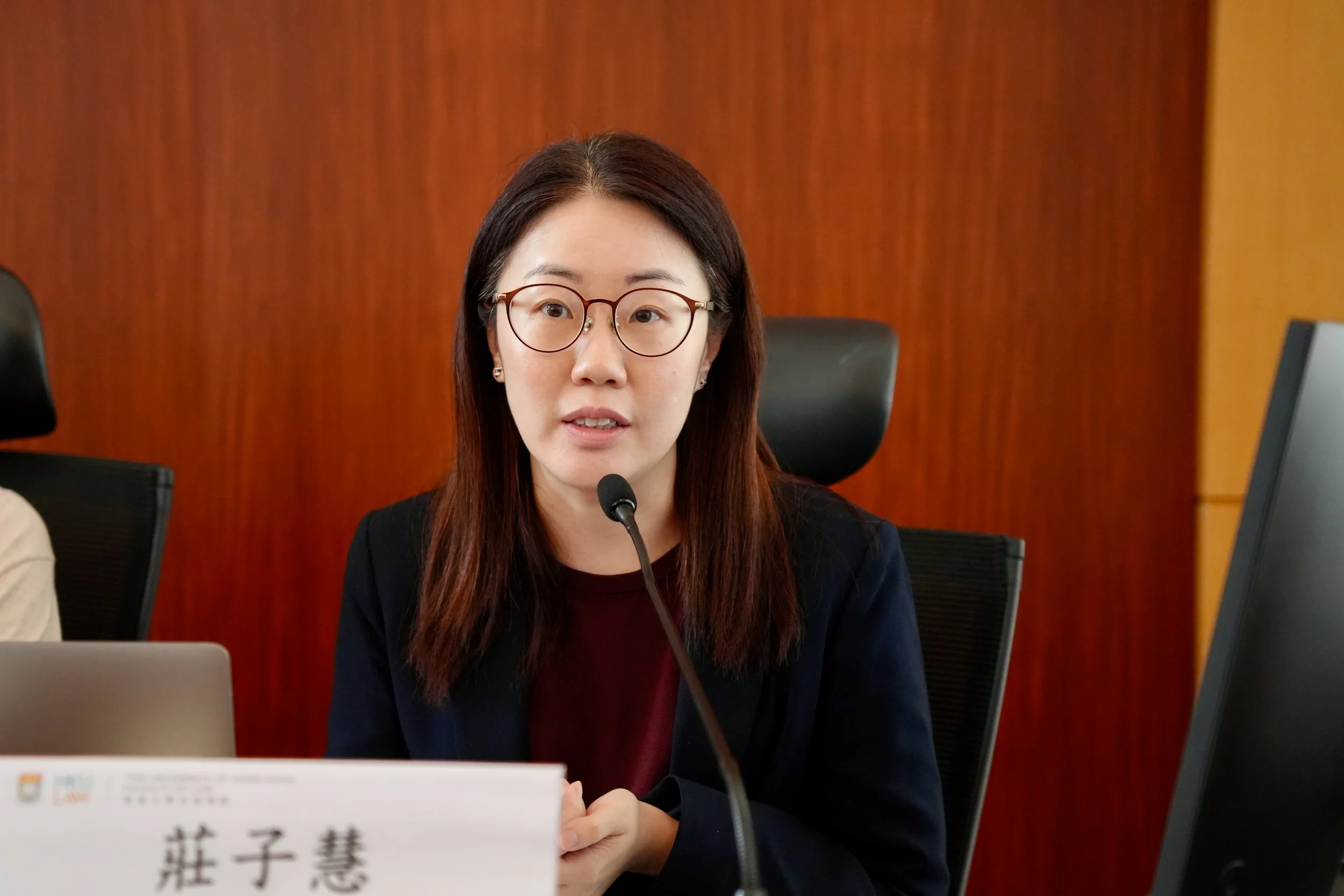
Doris Tsz-wai CHONG, Executive Director of RainLily, said:
"The question of whether a survivor resisted forcefully is often the focal point during police reports and trials. A survivor's inability to resist at the moment of assault is frequently used to imply consent or to justify a defendant's 'mistaken belief'. In reality, non-resistance is a common trauma response in sexual violence cases. An inability to resist physically or verbally does not mean an assault did not occur. Whether a survivor is incapacitated by alcohol or drugs, yields under coercion, or freezes out of fear, these responses should never be viewed as 'consent' or 'acquiescence'."
Chris Tsz-kwan CHAN, representative of Hong Kong Federation of Women Centres, said:
"Psychological violence within intimate relationships is often trivialised. Our 2026 survey showed that 68.9% of respondents had experienced at least one form of psychological violence (coercive control) in an intimate or family relationship. However, only 29.5% of those experiencing ongoing abuse sought help. This reflects how invisible psychological violence is, leaving victims overlooked or blamed. In relationships where autonomy is eroded by fear and control, sexual interactions cannot be truly 'free and voluntary'. The law must explicitly state that 'consent' given under the shadow of coercive control is involuntary and therefore invalid."
Cherry Man-chi CHUI, Executive Director of Action for Reach Out, said:
"Many female sex workers experience clients intentionally violating agreements to use condoms, either by forcing non-consensual unprotected sex or by 'stealthing' (removing the condom during the act). This is not only a violation of bodily autonomy but also poses significant risks to pregnancy and sexual health. Some clients also force non-consensual sexual acts during transactions - these actions are sexual assaults. Without a clear legal definition, sex workers face the dual pressure of social stigma and the threat of violence, making it extremely difficult to seek help. Even when they do, the vague legal definition of 'consent' leaves it doubtful whether law enforcement or juries share a consistent understanding of the law. Reform must clearly communicate that consent is specific to each act instead of a 'permanent pass'."
Phoebe Hoi-lam CHOI, representative of Teen's Key Hong Kong, said:
"In Teen's Key service, we see many young women in the sex industry burdened not only by survival, but also by ubiquitous risk of sexual violence. From non-consensual filming and doxxing to stealthing and assault, these harms are frequent and substantial. We hope the reform will respond to their realities by prioritising the concept of consent. Regardless of the industry or whether money is involved, consent must always be the core of sexual activity—clear, voluntary, and revocable. A clearer law would reduce the challenges of seeking help, ensuring every young woman has the right to speak out under the protection of the law."
The Women's Coalition on Equal Opportunities welcomes the government's commitment to completing the legislative process for the Sexual Offences Legislation (Amendment) Bill 2026. We urge the authorities to build upon the HKLRC's recommendations by referencing overseas reforms to eliminate systemic misconceptions about sexual violence. As the HKLRC's reports contain over 70 recommendations affecting a wide range of stakeholders — including persons with disabilities, children, and individuals of all genders — the Coalition calls on the authorities to announce consultation details as soon as possible and engage actively with stakeholders to ensure the needs of all survivors are fully considered.


About Hong Kong Women's Coalition on Equal Opportunities
Established in 1996, Hong Kong Women's Coalition on Equal Opportunities (the Coalition, or WCEO) is a joint task force that connects various women's groups and monitors the government's practice for gender equality in order to promote the development of the women's movement and achieve gender justice.
Current member organisations include:
Action for Reach Out, Hong Kong Federation of Women's Centres, Hong Kong Women Workers' Association, The Association for the Advancement of Feminism, and Association Concerning Sexual Violence Against Women