
Joint Position Paper from Groups Urges HK Govt to Close Legal Loopholes in Child Sexual Abuse Laws and Strengthen Survivor Protection
Joint Position Paper from Organisations and Professionals Urges Hong Kong Government to Close Legal Loopholes in Child Sexual Abuse Laws and Strengthen Survivor Protection
Association Concerning Sexual Violence Against Women (ACSVAW), Hong Kong Committee on Children's Rights (HKCCR), Plan International Hong Kong, and TALK Hong Kong today launched a Joint Position Paper to urge the Hong Kong Government to close legal loopholes and modernise the city's legal framework regarding child sexual abuse. The paper has garnered the support of 32 signatories from children's rights organisations, anti-sexual violence groups, and individual professionals.
The Joint Position Paper welcomes the Government's commitment to completing the legislative process for the Sexual Offences Legislation (Amendment) Bill 2026 within its current term and stress the urgent need to implement the Law Reform Commission of Hong Kong's (HKLRC) recommendations that were tabled several years ago, including equal treatment for child victim-survivors of all genders and the introduction of new offences targeting technology-facilitated sexual exploitation. However, several critical gaps remain that continue to hinder victim-survivors from being fully seen and supported by the system. Our Joint Position Paper urges the authorities to look beyond the current recommendations and align Hong Kong's legal protections with international standards.
The Joint Position Paper highlighted four critical areas for reform:
Introduce the offence of 'Persistent Child Sexual Abuse'
Introduce the offence of 'Abuse of Position of Trust'
Create a child-focussed response within legal procedures
Fully implement HKLRC's recommended reforms related to child sexual abuse
Doris Tsz-wai CHONG, Executive Director of the Association Concerning Sexual Violence Against Women, commented:
“Current laws in Hong Kong fail to address 'persistent child sexual abuse', forcing the system to treat long-term trauma as a series of isolated events. Empirical studies and frontline experience show that for victim-survivors of repetitive sexual abuse, the requirement to recall specific details for every single incident often becomes an impossible barrier to justice, allowing perpetrators to evade prosecution and conviction. While other jurisdictions have moved to close this gap, Hong Kong has seen no progress since the Government's initial discussions in 2001. Hong Kong needs a discrete offence that recognises the existence of a sexually exploitative relationship over time. This shift would allow for prosecutions based on a demonstrated pattern of repetitive abuse, rather than victim-survivors' ability to distinguish one incident from another and their particularities. The sentencing of a discrete offence that based on the pattern of abuse instead of limited charged acts also ensures the penalties reflect the gravity and criminality of persistent child sexual abuse”
Dr. Kanie Mei-kuen SIU, Chief Executive Officer of Plan International Hong Kong urged:
“Plan International Hong Kong is committed to promoting child safeguarding. Hong Kong generally follows the United Nations Convention on the Rights of the Child in defining persons under the age of 18 as children. We must safeguard young people in all circumstances from exploitation by adults in positions of trust. While sexual activity with children under 16 is unlawful, 16- and 17-year-olds—although they have reached the legal age of consent—remain vulnerable facing adults with authority, such as teachers, social workers, coaches, or religious leaders. Research highlights that in many cases, perpetrators often rely not on physical force but on their trusted position to manipulate victims. These relationships carry inherent power imbalance, which undermines a victim's ability to give genuine consent and creates opportunities for grooming and exploitation. Even if the parties believe the relationship is 'genuine,' safeguarding experts still consider it abusive, because it is an unbalanced power relationship. Plan International calls upon the Government to consider HKLRC's Final Recommendation No. 40 — proposing legislation for the protection of young persons aged 16 or above but under 18 from the policy angle, against sexual exploitation by adults in positions of trust. Hong Kong should seize this reform opportunity to establish offences targeting sexual abuse that involves an abuse of position of trust, drawing on international practices from the UK, Canada, and Australia, providing stronger protections for our young people.”
Billy Wai-yuk WONG, Executive Secretary of the Hong Kong Committee on Children's Rights, appealed to the Government:
“Victims of child sexual abuse often suffer from excessively lengthy and intense cross-examination in court proceedings. This often leads to emotional distress, secondary harm, resulting in withdrawal, refusal to testify… which is a common occurrence. We call on the Judiciary to review the Practice Directions in relation to child sexual abuse by referencing several jurisdictions abroad which have already laid down directions, such as setting a time limit for cross-examination and must cease even if unfinished; questions asked to the child witness have to be vetted by the court beforehand; and wording used in court should be cautious, for example accusing the child witness of lying should not be allowed, etc.”
“We also recommend a trauma-informed, multidisciplinary "one-stop-shop" model for child-friendly justice, bringing together investigation and prosecution, child protection, and health services under one roof to support child victims/witnesses.”
Taura EDGAR, Founder and Chair of the Board of TALK Hong Kong, asserted:
“With 16% of children suffering from child sexual abuse in Hong Kong, we must urgently address critical gaps in Hong Kong's child sexual offence laws to enhance protections for vulnerable children. We advocate for long-suggested reforms, including gender neutrality in legislation, a clear definition of consent, and specific offenses for grooming, persistent abuse, and abuse of power. It is the responsibility of adults to protect children, a key wish echoed by the hundreds of adult survivors we have worked with in Hong Kong. These changes are essential to create a more effective legal framework that prioritises child safety.”
While Article 34 of the UN Convention on the Rights of the Child (UNCRC) mandates that all states protect children from all forms of sexual exploitation and abuse, and Article 4 requires legislative and administrative measures to ensure these rights are upheld, significant gaps remain in Hong Kong's domestic law.
The Joint Position Paper emphasises that Hong Kong must modernise its laws to bridge existing legal and procedural gaps, ensuring that relevant charges fully reflect the lived realities of survivors. We call on the Government to adopt these progressive reforms to ensure perpetrators are held accountable, and to guarantee that the path to justice for victim-survivors is no longer hindered by an outdated system.
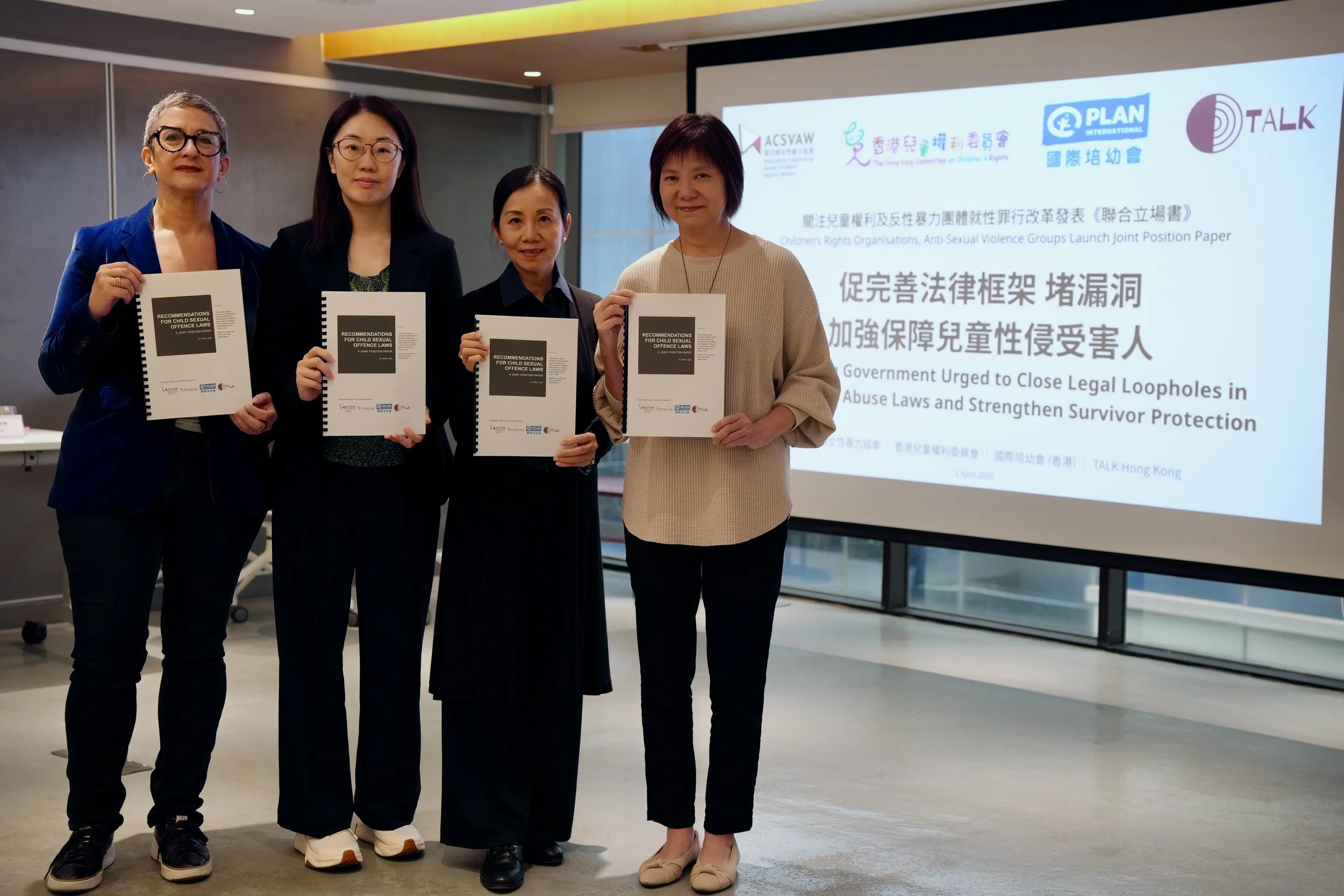
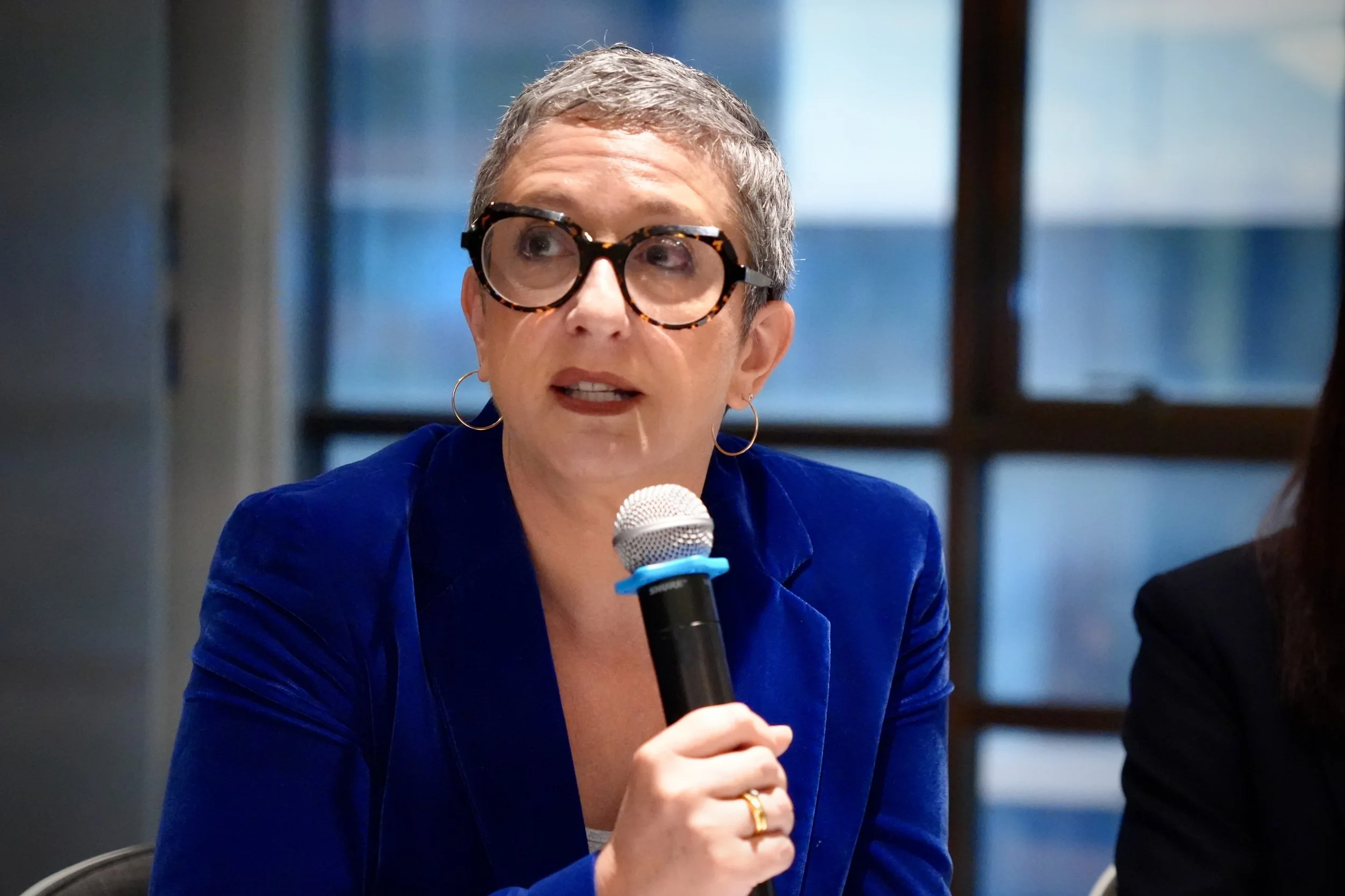
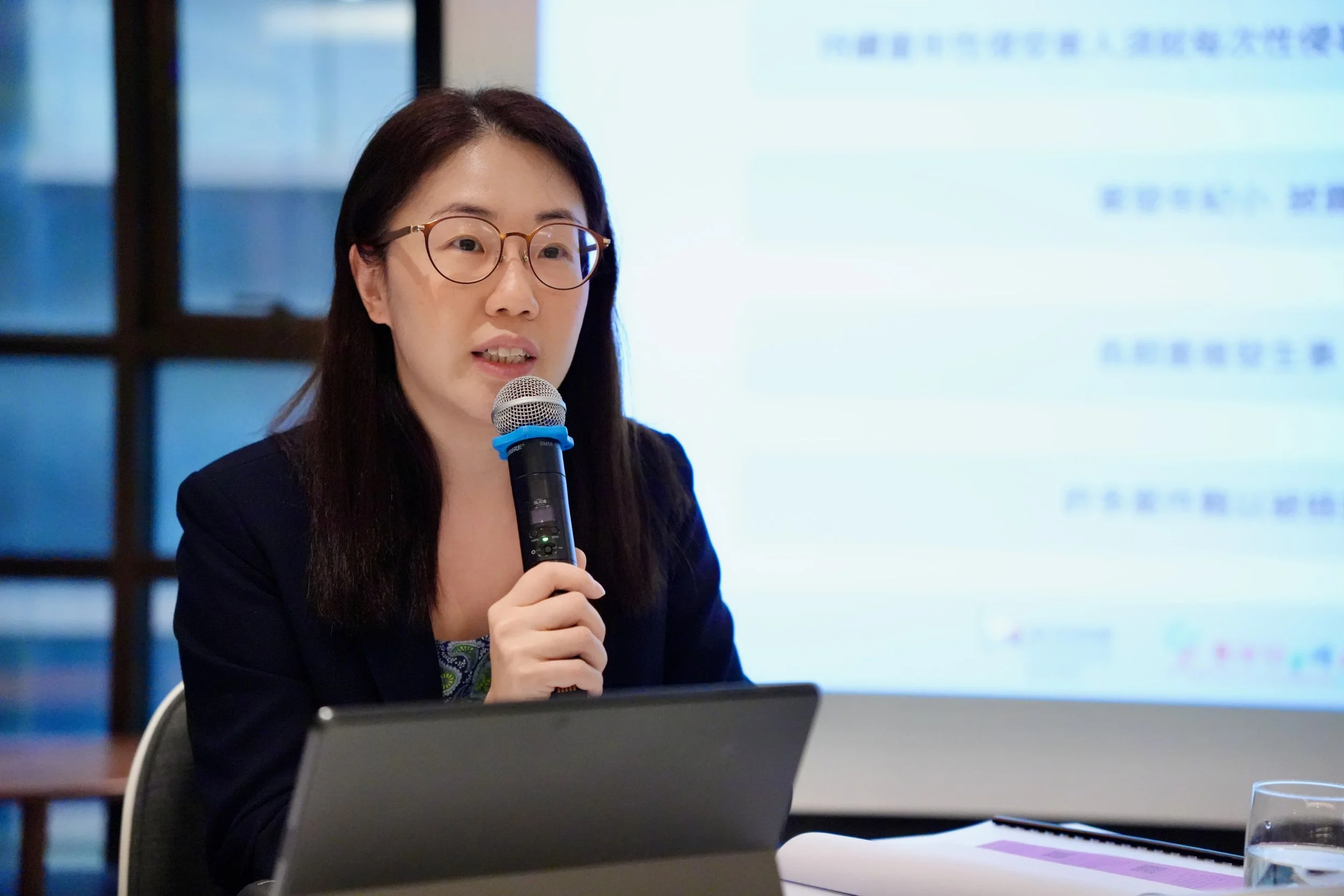
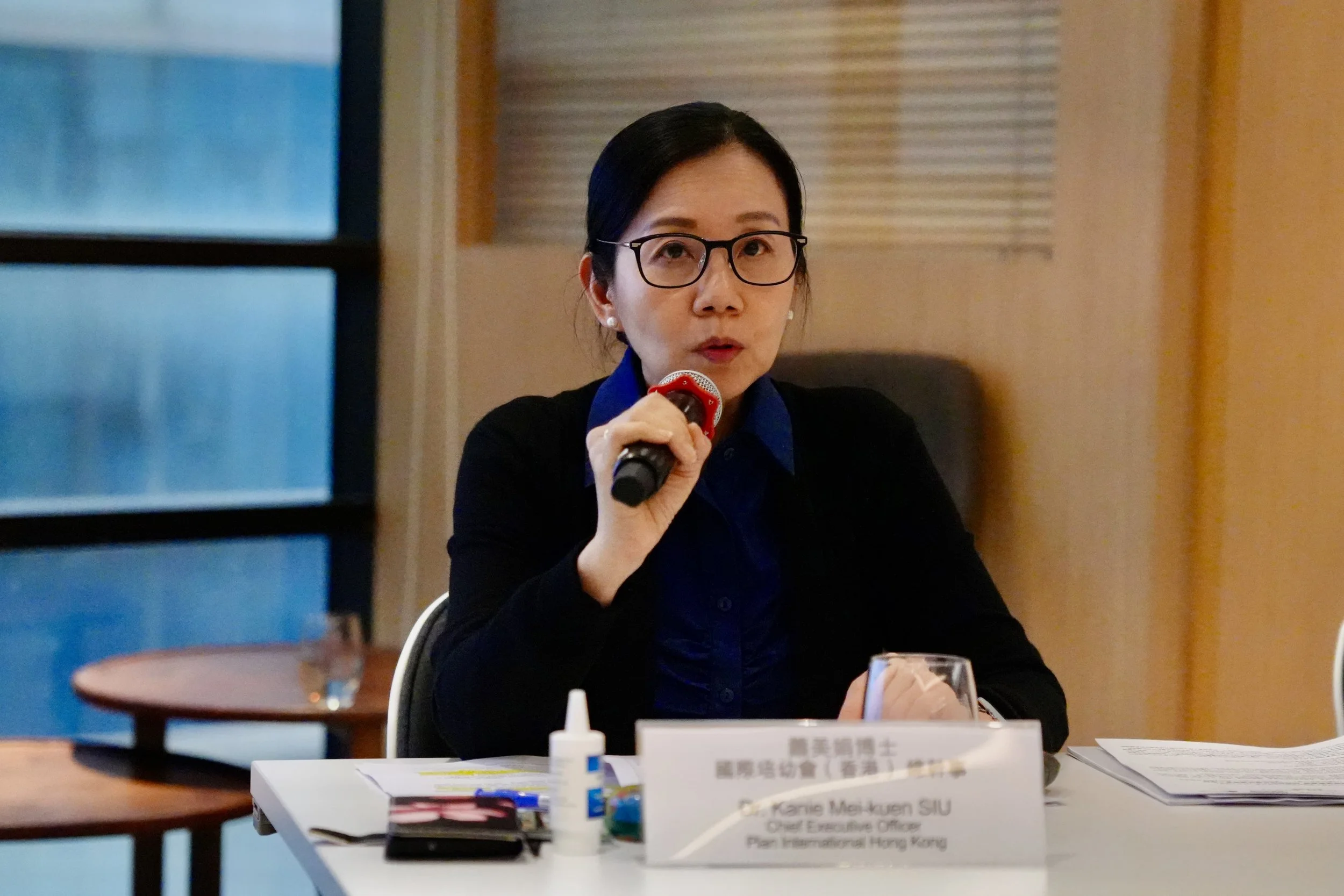
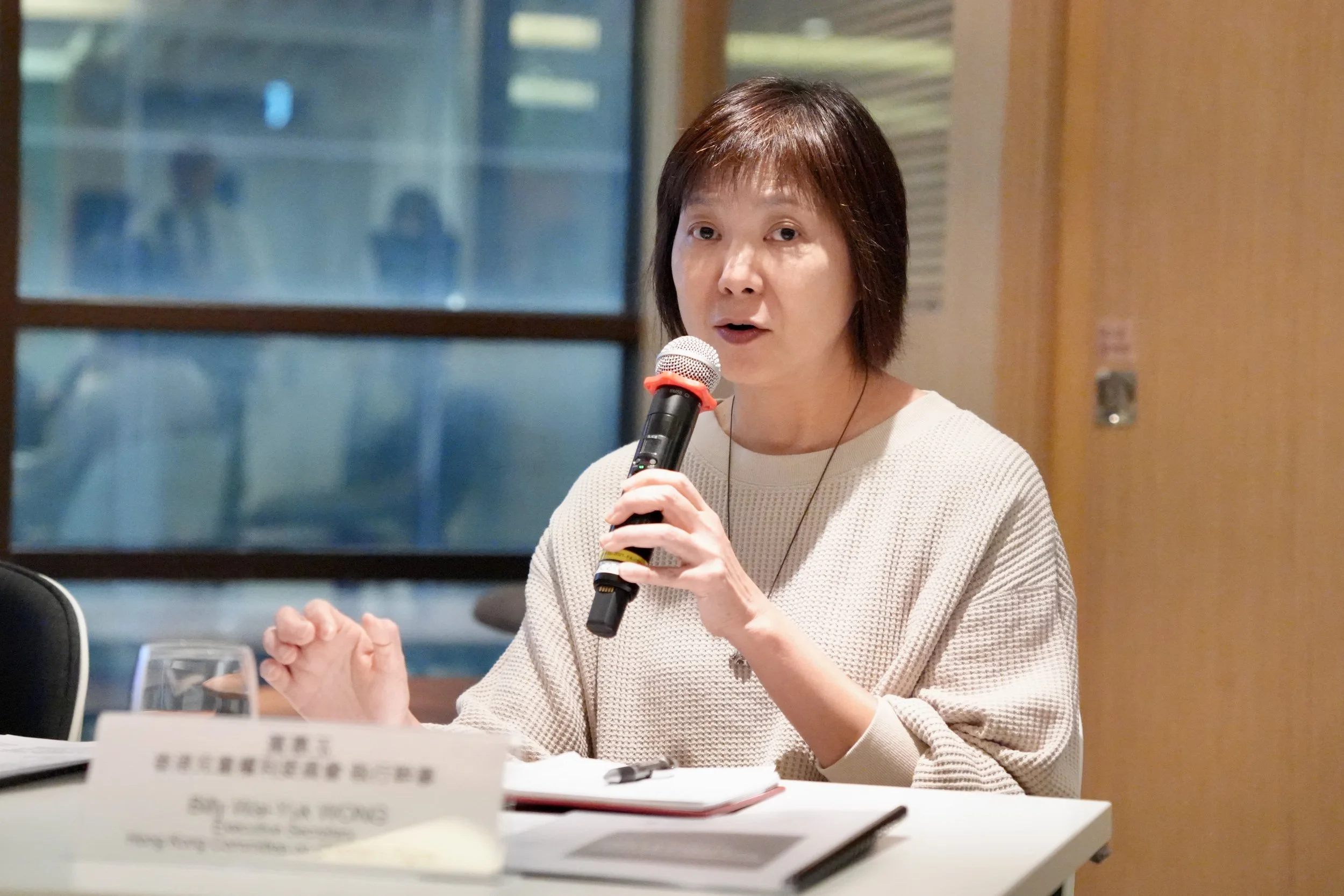
Image 1 from left to right:
Taura EDGAR, Founder and Chair of the Board, TALK Hong Kong;
Doris Tsz-wai CHONG, Executive Director, Association Concerning Sexual Violence Against Women;
Dr. Kanie Mei-kuen SIU, Chief Executive Officer, Plan International Hong Kong;
Billy Wai-yuk WONG, Executive Secretary, Hong Kong Committee on Children's Rights